What is Zyn? Everything You Need to Know About Nicotine Pouches
Felix
· 8 min read
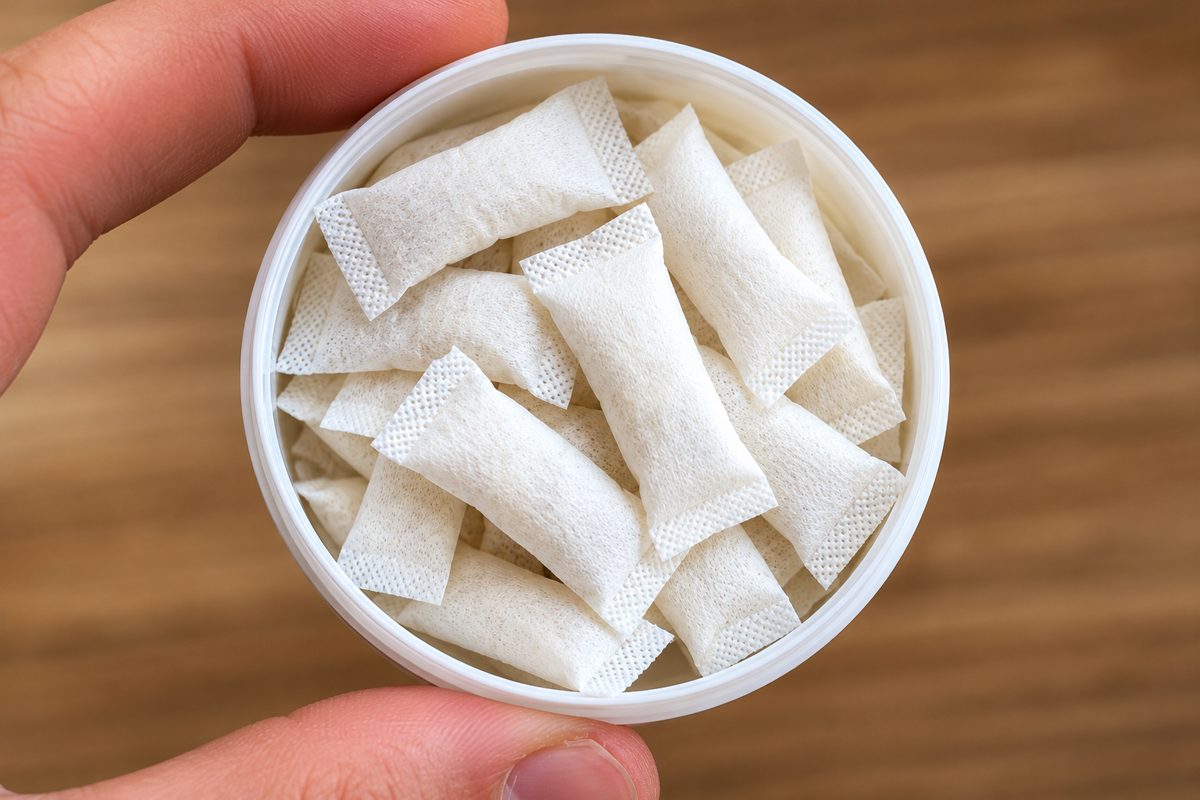
What even is this thing?
If you’ve never seen a nicotine pouch before, it’s confusing. You see someone pull out a small round can, pop something white under their lip, and carry on like nothing happened. No smoke. No smell. No lighter. Just a can and a pouch.
You wonder: is that food? A drug? Medicine? Why does everyone have one of these cans in their pocket? And why does it smell like that?
Some people don’t take it seriously at all. Others think it’s a hard drug that will ruin your life. Neither is right. And that’s what this article is about — cutting through the confusion.
Zyn is a brand of nicotine pouches. Small white packets, about the size of a piece of gum, that you place under your upper lip. The nicotine absorbs through your gum into your bloodstream. No tobacco leaf, no smoke, no vapor. Just nicotine, delivered through your mouth.
The name “Zyn” has become what “Kleenex” is to tissues — at least in the US. People say “I’m using a Zyn” even when the brand is Velo, On!, or something else entirely. In Europe, people say “snus” or “nicotine pouches” — although every country has its own slang for it.
Did you know? In Finland it’s nuuska, in Slovenia fuge, in Sweden people say prilla or buga, in the UK you’ll hear lip pillows or upper deckies, and in the US people literally say zynning as a verb. But across most of Europe, everyone recognizes one word: snus.
What’s actually inside a pouch
A Zyn pouch is not just nicotine in a bag. Here’s what’s in there:
Nicotine bitartrate dihydrate — the active ingredient. This is pharmaceutical-grade nicotine in salt form, extracted from tobacco plants but processed so no actual tobacco leaf remains. Zyn comes in 3 mg and 6 mg per pouch. Some European brands go up to 20 mg or higher. (ZYN Official FAQ, SnusDaddy Ingredient Breakdown)
Sodium carbonate and sodium bicarbonate — pH adjusters. This is the part most people don’t know about. These chemicals raise the pH level in your mouth, which converts nicotine from its salt form into freebase nicotine. Freebase nicotine crosses cell membranes more easily — meaning the nicotine is absorbed faster. (Nicokick: ZYN Ingredients)
Microcrystalline cellulose — the filler that gives the pouch its shape and texture. Plant-based, used in tons of food and pharmaceutical products. This is the least concerning ingredient. (ZYN UK: What Does ZYN Contain)
Other stuff: hydroxypropyl cellulose (stabilizer), acesulfame K (artificial sweetener for the flavor), water, and potassium sorbate (prevents mold). Nothing exotic, but the combination is specifically engineered to deliver nicotine through your gum tissue as efficiently as possible.
Not sure how many pouches you actually go through in a day? Track every pouch and find out.
How you use it
You take a pouch out of the can, place it between your upper lip and gum, and leave it there. Most people keep it in for 15 to 30 minutes, sometimes longer depending on the brand and strength.
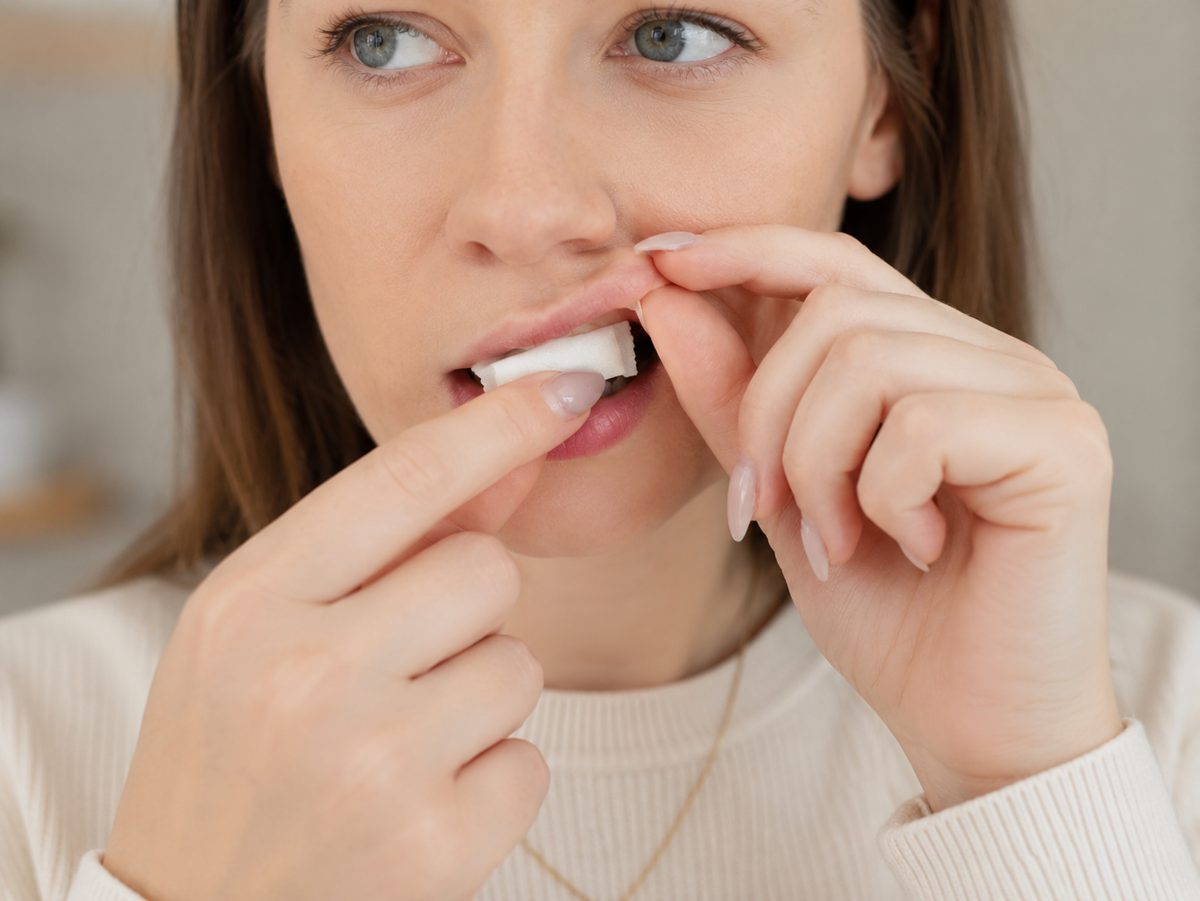
During that time, nicotine slowly absorbs through your gum tissue into your bloodstream. You’ll produce extra saliva, especially in the first few minutes. That saliva tastes like the chemicals in the pouch — and no, it doesn’t taste great.
Some people swallow the saliva. Some spit it out. I wouldn’t recommend swallowing it — you’re basically swallowing dissolved chemicals. I never did. But I’m not a doctor, and there’s no definitive study saying it’s dangerous. It’s just not appetizing.
When you’re done, you take the pouch out. Most cans have a small compartment in the lid for used pouches. You don’t flush them, you don’t swallow them. You throw them away.
That’s it. No lighter, no ashtray, no stepping outside. That’s the appeal — and the trap. It’s so easy and discreet that you can do it anywhere, anytime, without anyone noticing.
How it feels
If you’ve smoked a cigarette before, the nicotine feeling is the same. A slight buzz, a sense of calm or focus, a mild head rush — especially in the beginning.

The difference: a pouch can be much stronger than a cigarette. A typical cigarette contains 8-20 mg of nicotine, but your body only absorbs about 1-2 mg because most of it burns off (Healthline, SnusDaddy). A 6 mg Zyn pouch doesn’t deliver all 6 mg, but absorption through the gums is more direct than through smoke — so you likely take in more nicotine per session than from a cigarette. Some European brands at 20 mg+ are in a completely different league.
Most people start with low-strength pouches. Over time, tolerance builds. What used to give you a buzz barely registers after a few weeks. So you move to stronger ones, or use more per day. The progression is almost always the same.
And here’s the part nobody tells you at the start: after a few months of daily use, you’re not using it to feel good anymore. You’re using it to not feel bad. The nicotine wears off, your level drops, and you feel worse than your baseline. The next pouch just brings you back to zero. That’s what dependency can look like.
Is it safer than smoking?
This is the million-dollar question. And the honest answer: probably, but we don’t really know for sure.
In January 2025, the FDA authorized the marketing of 20 Zyn products — the first time any nicotine pouch received this kind of authorization. The FDA found that Zyn poses “lower risk of cancer and other serious health conditions” compared to cigarettes and most smokeless tobacco products.
But — and this is important — authorization is not the same as “safe.” The FDA explicitly said these products are not risk-free. Nicotine itself is addictive and may increase cardiovascular risk, especially for people who weren’t using nicotine before.
There are no long-term studies. Nobody knows what 10 or 20 years of daily nicotine pouch use does to your gum tissue, your cardiovascular system, or your brain. As we covered in our side effects article, the short-term effects on gums, sleep, and mood are well documented. The long-term picture is a blank page.
So: less harmful than cigarettes? Possibly, based on what we know today. Safe? Nobody can say that yet. You’re taking a risk that nobody can fully measure right now.
The flavor debate
Zyn comes in flavors like mint, coffee, citrus, cinnamon, wintergreen. In Europe, there are even more — tropical, berry, you name it.
Critics say the flavors are designed to attract young people. And sure, a mint-flavored pouch is more appealing than a tobacco-flavored one when you’re trying it for the first time.
But honestly? The flavors aren’t the real problem. We don’t say orange soda is targeting kids just because it tastes good. The real problem is the nicotine — the chemical that hooks you. The flavor just makes the first few times more pleasant. After that, you’re not using it for the taste. You’re using it because your body needs the nicotine.
The conversation about flavors is a distraction from what actually matters: the addictive potential, the pH-adjusted delivery system, and the additives that make absorption through your gums so efficient.
Too much nicotine: what happens
If you use a pouch and smoke a cigarette at the same time — or stack multiple pouches — you can take in more nicotine than your body can handle.
Early symptoms of nicotine overconsumption: nausea, dizziness, sweating, rapid heartbeat, headache. This can happen within 15 to 60 minutes.
In more severe cases: vomiting, confusion, tremors, difficulty breathing. In extreme cases (very rare with pouches alone): seizures or loss of consciousness.
The risk of actual nicotine poisoning from pouches alone is low. But combining pouches with smoking, or using very high-strength pouches on an empty stomach, can push you over the edge. If symptoms don’t pass within an hour, or if you experience confusion or breathing problems, get medical help.
Curious about the full picture? Read our deep dive into Zyn side effects and signs of addiction.
Weird questions people actually ask
Can you kiss someone while using a Zyn? Technically yes. The pouch sits under your upper lip, so it’s out of the way. But — the chemicals give your mouth a specific smell, and some people get bad breath from the pouch. Not exactly romantic. I’d take it out first.
Can you smoke while using a pouch? You can. But as mentioned above, you risk nicotine overconsumption. Dizziness, nausea, a crash in blood pressure. Not recommended.
How do you store them? In the can, in a cool place. Many people buy rolls (multiple cans) to stock up. Don’t leave them in a hot car or in direct sunlight — heat degrades the nicotine and changes the flavor.
Can you swallow a pouch? No. It says right on the packaging: if swallowed, seek medical attention. Check your can — you’ll find it somewhere on the label.
Frequently Asked Questions
What is Zyn made of?
Nicotine bitartrate dihydrate (pharmaceutical-grade nicotine), microcrystalline cellulose (filler), sodium carbonate (pH adjuster that speeds up nicotine absorption), flavorings, sweeteners, and stabilizers. No tobacco leaf.
Is Zyn FDA approved?
In January 2025, the FDA authorized the marketing of 20 Zyn products — the first nicotine pouch to receive this kind of authorization (FDA Press Release). However, this does not mean Zyn is considered “safe” or “FDA approved” in the traditional sense. The authorization means the FDA found it poses lower health risks than cigarettes (NPR).
How much nicotine is in a Zyn?
In the US, Zyn comes in 3 mg and 6 mg per pouch. In Europe and other markets, nicotine pouch brands range from 2 mg to over 20 mg per pouch, with some extreme products going even higher.
Is Zyn addictive?
Nicotine is addictive. Most Zyn products contain nicotine, and regular use of nicotine-containing pouches can lead to dependence. Read our full article on signs of nicotine pouch addiction.
How long does a Zyn pouch last?
Most people keep a pouch in for 15 to 30 minutes. Some brands and strengths last up to an hour. You’ll notice the flavor and tingling fade as the nicotine is absorbed.
Is Zyn safer than cigarettes?
No combustion, no tar, no carbon monoxide — but that doesn’t mean safe. Long-term effects are unknown, and nicotine itself has been linked to cardiovascular risks including increased heart rate and blood pressure (European Heart Journal, American Heart Association).
SnusStop helps you track, reduce, or quit nicotine pouches at your own pace. Download on the App Store | snusstop.app | Cost Calculator
This article is for informational purposes only. It does not constitute medical advice, an encouragement to attempt nicotine withdrawal, or an encouragement to use, try, or purchase nicotine pouches or any nicotine products. Nicotine withdrawal can carry risks, particularly for individuals with pre-existing conditions, during pregnancy, or when taking medication. The author is not a healthcare professional. Consult a qualified medical provider before starting a withdrawal. The information presented here is based on publicly available research and personal experience. It is not intended to diagnose, treat, or prevent any condition. The views expressed reflect the personal opinions of the author. Statements may be inaccurate or incomplete, and arguments may contain gaps. This website and its content are intended for adults (18+). Disclosure: The author is the founder of SnusStop. "Zyn" is used in this article as a commonly recognized term for nicotine pouches and does not imply any affiliation with or endorsement by the ZYN brand or its parent company.
Sources
- ZYN Ingredients: What’s Inside Every Pouch — SnusDaddy
- FDA Authorizes Marketing of 20 ZYN Nicotine Pouch Products — FDA.gov
- Nicotine Poisoning: Symptoms, Risks, and Prevention — University of Utah Poison Control
- Zyn Pouches Safer Than Smoking, But Still Pose Risks — Harvard T.H. Chan School of Public Health
- What is Zyn? — Truth Initiative
- Zyn Side Effects: What Nicotine Pouches Do to Your Body — SnusStop
- Is Zyn Addictive? Signs of Nicotine Pouch Addiction — SnusStop