What Nobody Tells You Before Your First Nicotine Pouch
Felix
· 8 min read
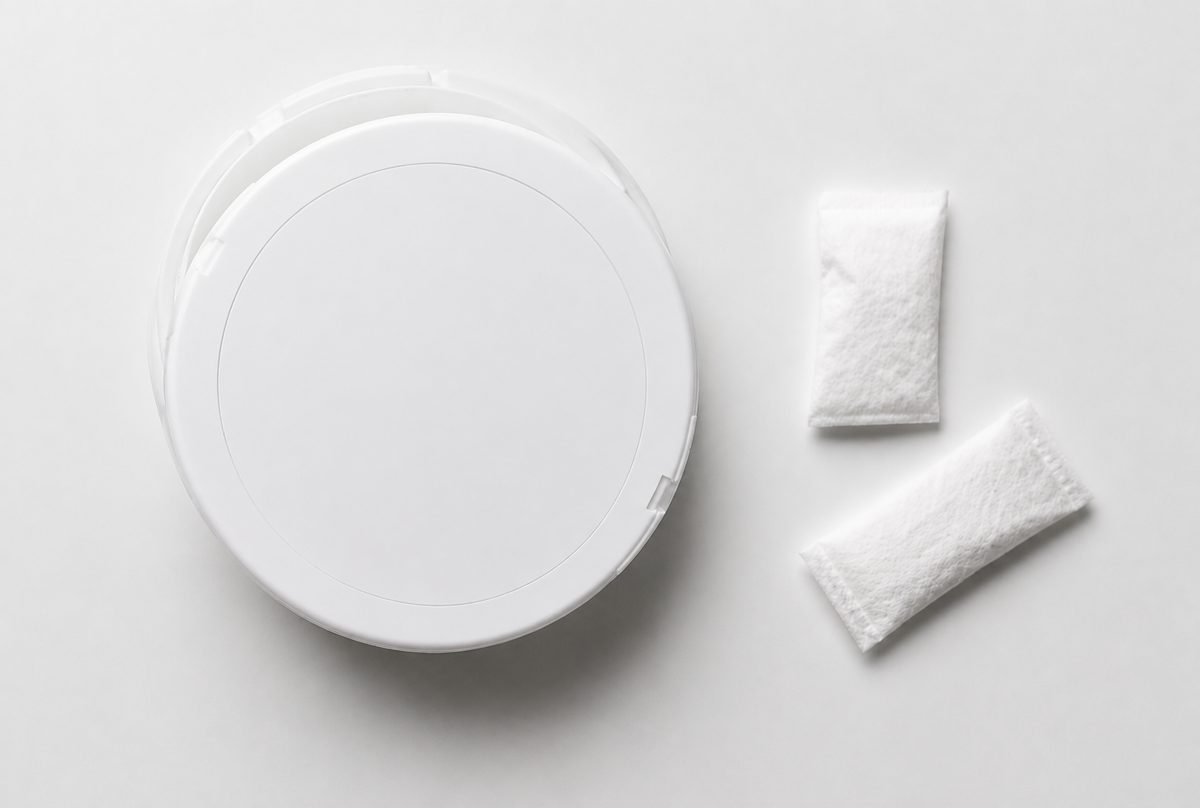
The buzz fades. The need doesn’t.
The first pouch feels amazing. A warm buzz, a sense of calm, everything feels a little bit easier. Nobody argues with that.
What nobody tells you: quitting feels just as intense — in the opposite direction. The same intensity of sensation that made the first pouch so good is the same intensity of feeling like garbage when you try to stop. You just don’t know the price when you’re enjoying the product.
I think that’s true for every addictive substance. You never know what you’re getting into beforehand. You don’t think about where it leads. You don’t believe you’ll want more right away. You think: I have this under control, it’s not that serious, I enjoy it, I choose it. And maybe you do — in the beginning. But the line between choosing something and needing it is blurry. And by the time you see it clearly, you’re already on the other side.
”I can stop whenever I want”
That’s the part that gets everyone. You genuinely believe it’s your decision. Every single pouch feels like a choice you’re making. And at first, it is.
But nicotine changes the equation quietly. You underestimate how strongly the absence of a substance can drive you to irrational decisions. Not big, dramatic ones. Small, weird ones.
Tuesday night, empty can
Here’s an example. It’s a Tuesday evening. You realize the can is empty. You’re already home, comfortable. You’d rather stay in. But the absence of nicotine nudges you out the door, into the car or onto the next tram, just to grab another can.

Nobody thinks about that when they open their first pouch. Nobody imagines themselves leaving the house on a weeknight for a $5 can because the alternative — not having it — feels worse.
That’s the moment you should ask yourself: did I decide this, or did the nicotine decide it for me?
Curious how many pouches you actually go through? Most people don’t know their real number. Track every pouch and find out.
It’s not just the nicotine
What I also didn’t know: you get used to it incredibly fast. And it’s not just the nicotine in your bloodstream — it’s the habit. The feeling of always having something under your lip. The ritual you build around it.
What is a habit, actually? Psychologists describe it as a behavior that has become automatic through repetition. Your brain recognizes a pattern — trigger, action, reward — and stores it so you don’t have to think about it anymore. The basal ganglia, a region deep in your brain, takes over. What used to be a decision becomes autopilot (Psychology Today).
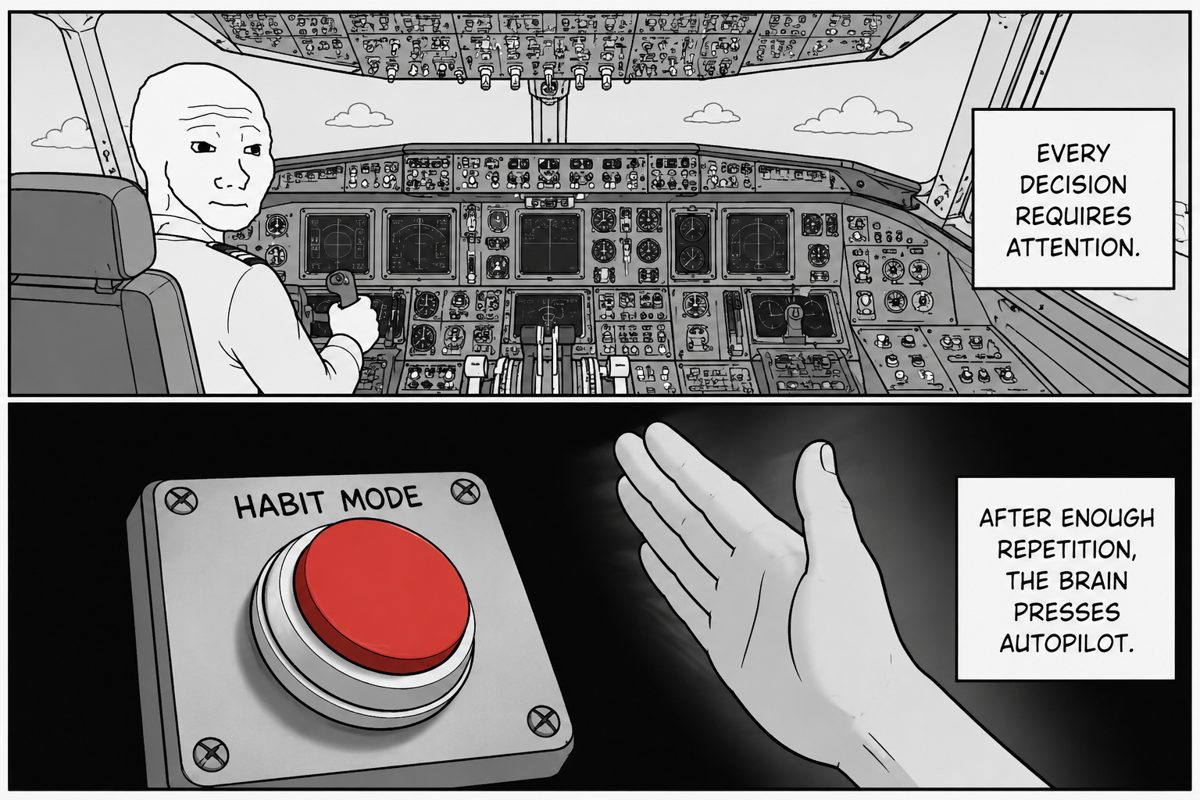
Research shows it takes an average of 66 days to form a new habit, but for some behaviors it can happen much faster — in as little as 18 days (Lally et al., 2010). With nicotine pouches, you’re not just building a nicotine dependency — you’re wiring a physical habit into your daily routine. Reach into pocket, open can, tuck it under your lip. Repeat. Within weeks, you don’t even think about it anymore.
And here’s the thing: because it’s so discreet, nobody stops you. Nobody notices. You can do it at school, at work, on the bus, at the dinner table. There’s no smoke break, no stepping outside, no visible cue. You just reach into your pocket and it’s done. That invisibility is what makes the habit so sticky.
You lost count weeks ago
You don’t notice your consumption going up because you don’t count. With cigarettes, there’s a ritual — you step outside, light up, finish it, come back. Each one is a visible event. With pouches, it’s background activity. One flows into the next.
That’s exactly why I built SnusStop. Not to tell anyone to quit — but to see the number. Because once you track every pouch, you might realize you’re at 12 a day when you thought you were at 6. And that awareness alone can change things.
I wish I’d had something like this when I started. Maybe things wouldn’t have escalated the way they did. When you track, you don’t have to defend yourself anymore. You have the data. You’re in control — or at least you have the overview.
That dent in your gum
You might think: it’s tobacco-free, so it’s probably fine. Especially the new European brands. No tobacco leaf, no tar, no smoke — how bad can it be?
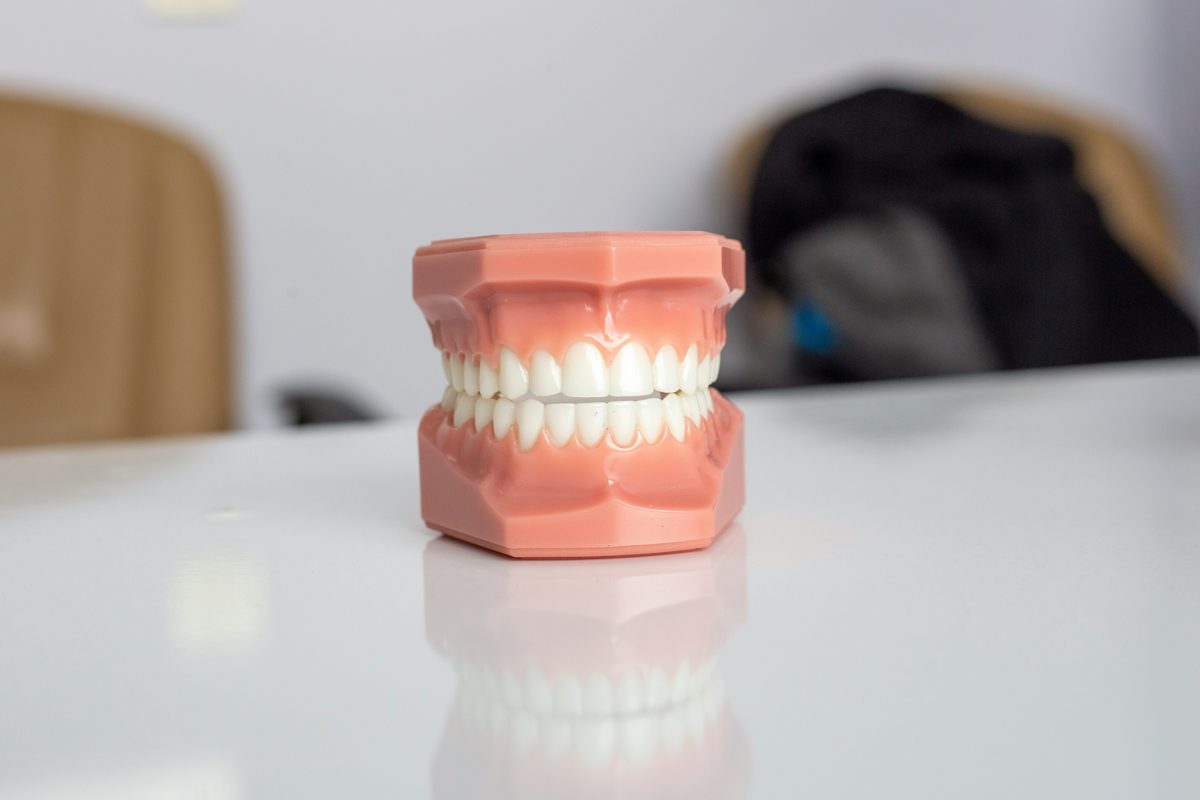
Here’s what I noticed after months of daily use: the spot where I always placed the pouch developed a dent. Not a hole — a visible indent in my gum tissue. I can still feel it with my tongue, over a year after my last pouch.
This is not unusual. On TikTok and in online communities, people share their “snus spots” — the places where their gums have changed shape from constant pressure and chemical exposure. If you don’t rotate the position, and especially if you use large, strong pouches, that indent may take a long time to go away — if it does at all.
What exactly causes it — the pressure of the pouch, the chemicals, or a combination — I can’t say. I’m not a dentist. But I’ve seen it on my own gums, and it’s still there.
The problem is: when you’re young, you don’t take risks seriously. That’s not a character flaw — it’s just a lack of experience. You haven’t seen enough consequences yet to believe they’ll happen to you. But they’re real. And pretending they’re not doesn’t change anything.
Worried about how much you’re using? Track your daily consumption — seeing the real number is the first step to staying in control.
You gave your friend their first one
Most people don’t buy their first pouch. They get it from a friend. And once you’re in, you share it with others. That’s how it spreads — socially, casually, without anyone thinking about consequences.
This is my personal opinion. But I think there’s a certain responsibility in the act of sharing something that’s potentially addictive. You can’t always see the impact it’ll have on someone else’s life.
$900 you didn’t notice

I don’t even want to start with the money, because you don’t notice it. Your focus is on the benefit — the kick, the calm, the routine. What you spend is somewhere in the background. $4-5 per can? Whatever. You spend that on lunch.
But a year later, you might look back and realize you’ve spent $800 or more on pouches. By then, you might already be dependent. The math only hits you when the habit is already locked in.
We covered this in detail in our cost article — the numbers might surprise you. Or use the Cost Calculator and plug in your own numbers.
Switching isn’t quitting
A lot of people switch from cigarettes to pouches and think they’ve won. And sure — no smoke, no tar, no carbon monoxide. That’s better.
But if “healthy” means “no health risk,” then no — it’s not a healthy alternative. You’re still taking in nicotine. Nicotine is addictive. Replacing one addictive product with another addictive product is not quitting — it’s switching delivery methods.
As we covered in our side effects article, there are no long-term studies on nicotine pouches yet. What 10 or 20 years of daily use does to your body is an open question.
Frequently Asked Questions
How quickly can you get addicted to nicotine pouches?
Nicotine dependency can develop within weeks of regular use. It’s not just the chemical — the oral habit (always having something under your lip) reinforces the dependency. Research suggests habits can form in as little as 18 days.
Sources: American Lung Association, Nicorette: What is an Oral Fixation, Lally et al., 2010
Is it normal to use 10+ pouches a day?
Many regular users end up at 10-20 pouches per day. It often starts at 2-3 and increases over months as tolerance builds. Because there’s no visible cue (like stepping outside to smoke), most people don’t realize how many they’re using.
Do nicotine pouches damage your gums?
I personally noticed changes in my gum tissue after months of daily use — a visible indent where I always placed the pouch. That doesn’t necessarily mean it was caused by snus or a specific brand. But many users report the same thing. Whether nicotine pouches directly cause gum damage is not conclusively answered yet. I’m not a dentist — I can only share what I observed.
Are nicotine pouches a safe way to quit smoking?
They may reduce some risks associated with combustion (no tar, no smoke), but you’re still consuming nicotine. Replacing cigarettes with pouches means replacing one form of nicotine intake with another.
How much does a nicotine pouch habit cost per year?
At 10 pouches per day with a can costing $4-5, you’re looking at roughly $700-900 per year. Heavy users can spend $1,500+ annually. Use the SnusStop Cost Calculator to see your personal number.
SnusStop helps you track, reduce, or quit nicotine pouches at your own pace. Download on the App Store | snusstop.app | Cost Calculator
This article is for informational purposes only. It does not constitute medical advice, an encouragement to attempt nicotine withdrawal, or an encouragement to use, try, or purchase nicotine pouches or any nicotine products. Nicotine withdrawal can carry risks, particularly for individuals with pre-existing conditions, during pregnancy, or when taking medication. The author is not a healthcare professional. Consult a qualified medical provider before starting a withdrawal. The information presented here is based on publicly available research and personal experience. It is not intended to diagnose, treat, or prevent any condition. The views expressed reflect the personal opinions of the author. Statements may be inaccurate or incomplete, and arguments may contain gaps. This website and its content are intended for adults (18+). Disclosure: The author is the founder of SnusStop.